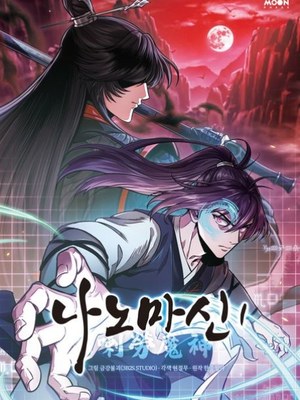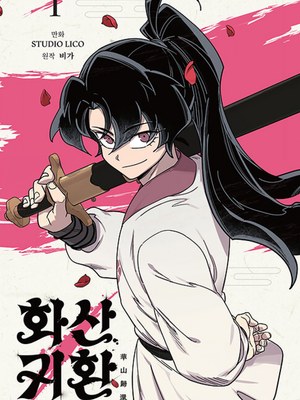
Who is this for: Reborn as the Heavenly Demon and Return of the Mount Hua Sect readers who want demonic-cult regression with a chaotic MC instead of orthodox sect rebuild focus.
The Premise (No Spoilers)
Jaha Lee — the Mad Demon — lived for martial arts the way other men live for wine. He stole the demonic cult’s heavenly jade, slaughtered pursuers for days, swallowed the treasure at the cliff’s edge, and fell laughing. He expected death. He got regression instead: a younger body, inn-boy humiliation, and muscle memory from a life the murim world has not seen yet.
This is not a redemption arc. Jaha wakes up planning to become stronger than his mad-demon peak while settling scores with the cult that hunted him. He knows which sect elders lie, which inn regulars will betray him, and which martial manuals the demonic path hid from outsiders. The twist is personality — Jaha was always unhinged, and youth does not civilize him. It just gives him more time to plot.
Korean readers know the series as 광마회귀 on Naver Series. WEBTOON publishes the official English release as Return of the Mad Demon (also marketed as Return of the Crazy Demon in some regions). Do not confuse this with Reborn as the Heavenly Demon — different protagonist, different clan politics, different regression hook.
What Makes It Work
Return of the Mad Demon succeeds because Jaha’s villain energy is the protagonist feature, not a phase he outgrows. Murim regression stories often soften the MC into a righteous reformer. Jaha reforms nothing except training efficiency. He helps innocents when it suits his mood or long-term revenge map, then threatens sect leaders in the same chapter. That unpredictability keeps 196 episodes tense — readers cannot assume the Mad Demon will pick the honorable duel option.
Revenge mechanics stay legible. The demonic cult, orthodox hypocrites, and inn underworld each represent a debt Jaha intends to collect with interest. Regression foreknowledge lets him skip wasted years, but opponents still adapt — especially once rumors spread that the slum inn boy fights like a cult nightmare. Ihy draws those escalations with horizontal blade trails and distinct stance silhouettes so group fights do not collapse into gray smears.
Comedy lands through contrast. Jaha’s internal monologue treats apocalypse-level grudges like errands, while bystanders react with genuine terror. The series never pretends he is secretly a soft hero. That honesty differentiates 광마회귀 from heavenly-demon rebirth templates where wastrel bodies hide dignified alliance lords.
Art and Choreography
Ihy prioritizes readable footwork over splash-page abstraction. When Jaha executes demonic-cult techniques in inn alleyways, panel borders tighten and background detail drops — a visual cue that the fight is personal, not ceremonial. Later sect-stage battles widen the frame again, showing how Jaha’s growth literally expands the murim map he can destabilize.
Character acting sells the mad-demon brand. Jaha’s grin before a massacre is consistent iconography; artists do not soften his expressions for marketability. That visual integrity matters for a series whose hook is chaotic anti-hero charisma.
Where It Stumbles
Title confusion is real. English readers search “mad demon,” “crazy demon,” and “heavenly demon” interchangeably and land on the wrong series. EpicManhwa indexes Return of the Mad Demon separately from Reborn as the Heavenly Demon — verify slug and cover before you commit to hundreds of chapters.
Late arcs also scale power quickly once Jaha leaves inn-era underdog status. Early regression charm — outthinking bullies with cult-grade technique — fades when continent-level factions enter. The tradeoff is spectacle: rooftop duels and demonic-artifact set pieces deliver some of the best murim action on WEBTOON, but readers who loved slum politics may miss that intimacy.
Who Should Read This
Murim regression fans who want chaotic MC energy should start here instead of orthodox sect rebuilds. Pair with Nano Machine for biomechanical murim horror, or Absolute Regression for colder tactical regression. Avoid pairing with Reborn as the Heavenly Demon in the same week — similar marketing keywords, opposite tone.
Read on WEBTOON and Naver Series via our where-to-read guide.
FAQ
Is Return of the Mad Demon the same as Reborn as the Heavenly Demon?
No — Return of the Mad Demon (광마회귀) follows Jaha Lee's demonic-cult regression; Reborn as the Heavenly Demon (환생천마) follows Cheon Hajin in Byeok Ridan's body.
Where can I read Return of the Mad Demon legally?
WEBTOON hosts the official English release; Naver Series publishes the Korean webtoon 광마회귀.
Who is Jaha Lee?
Jaha Lee, the Mad Demon, obsessed with martial arts until demonic-cult pursuit sent him off a cliff — he wakes young again at an inn with foreknowledge and sharper cruelty.