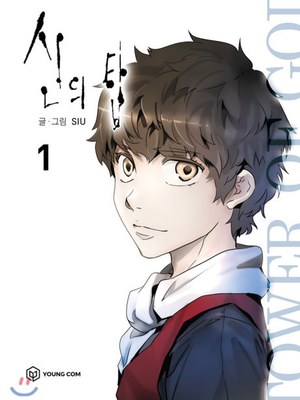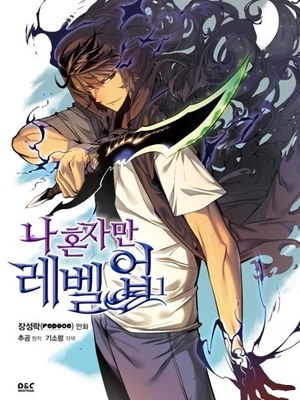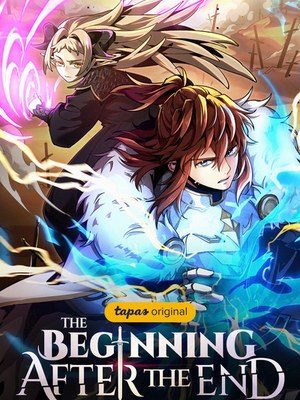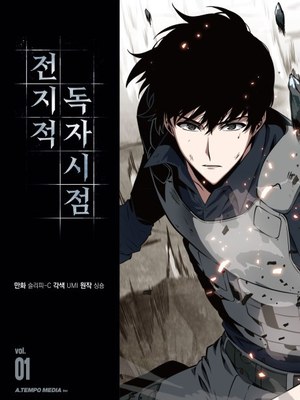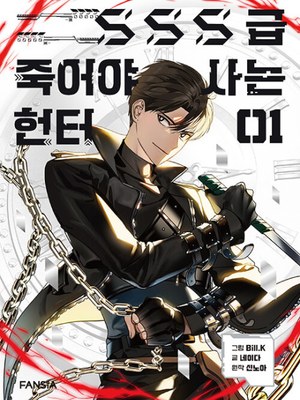
Who is this for: Tower of God readers who want faster regression loops, and TBATE fans open to darker tradeoffs for second-chance knowledge.
The Premise (No Spoilers)
Sung Soo is a bottom-tier hunter in a tower-apocalypse world where floors spawn monsters and licensed climbers chase rank. He lacks stats, allies, and sponsor interest — until he acquires the Regression Authority skill, which activates only when he dies. Each intentional death sends him back to a checkpoint with retained knowledge and selective perk inheritance from the run he just abandoned.
That hook transforms the tower from a grind into a laboratory. Sung Soo tests poison routes, negotiates with floor NPCs, and deliberately triggers fail states to min-max skill combinations other hunters discover by accident. Allies like Kaiser and Ashbacher enter later runs with partial memory bleed, adding social distrust to mechanical optimization.
What Makes It Work
Floor tests borrow from Tower of God’s scenario DNA but compress them for regression pacing. A single floor might require solving a resource puzzle under time pressure, then immediately punish a brute-force retry with permadeath consequences inside the loop. Shin Noah and Neblu’s art emphasizes vertical claustrophobia — narrow stairwell panels, ceiling traps drawn with oppressive perspective — so readers feel the tower’s hostility before combat starts.
Buildcraft is the long-term addiction. Sung Soo’s loadouts combine hunter classes, relics, and tower-specific boons that interact in ways the story documents on-page. When he pivots from spear-focused runs to curse-heavy suicide builds, the manga shows failed attempts, not montage success. That transparency separates the series from regression titles where foreknowledge equals autopilot victory.
Regression also carries social cost. Hunters outside the loop misread Sung Soo’s erratic behavior as madness or arrogance. Political factions try to recruit or eliminate him based on incomplete information, which keeps dialogue scenes relevant between floor clears.
Where It Stumbles
The suicide mechanic is narratively justified but visually repeated. Some readers disengage during early arcs where Sung Soo cycles deaths quickly without emotional processing. The story eventually addresses psychological toll through tower-induced trauma, yet the first fifty chapters demand tolerance for the premise itself.
Ensemble development also trails the protagonist. Kaiser gets strong moments during the guild conflict arc, but many floor NPCs disappear after their test resolves. If you read for found-family dynamics, Eleceed balances team warmth better than this tower laboratory.
Who Should Read This
ORV graduates who love scenario rules but want regression speed should climb here after Hell Train. TBATE readers seeking faster resets — with harsher moral cost — will appreciate how Sung Soo’s knowledge does not include complete floor maps until he earns them with bodies.
Start on LINE Webtoon via our where-to-read guide, then explore the regression genre hub for slower-burn second-chance fantasies. Cross-link to Tower of God when you finish the mid-tower guild arc and want faction politics at megastructure scale.
FAQ
Is SSS-Class Suicide Hunter finished?
No. The webtoon is ongoing on LINE Webtoon with regular updates through 2026.
Is SSS-Class Suicide Hunter worth reading in 2026?
Yes if you tolerate the suicide mechanic — floor design and buildcraft payoffs remain the series' strongest draw past the first regression.
How many chapters does SSS-Class Suicide Hunter have?
Approximately 180 English episodes on LINE Webtoon as of mid-2026; check our where-to-read guide for updates.