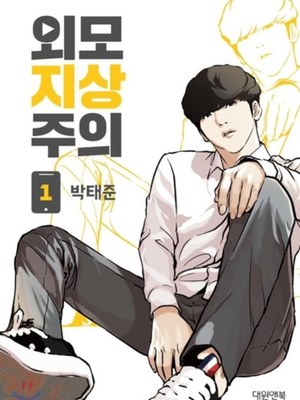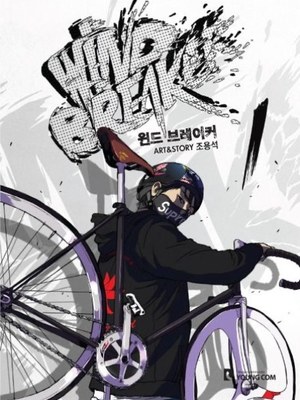
Who is this for: Lookism readers who want cleaner fight fundamentals with a sports hook, and action fans tired of fantasy power systems but still craving underdog escalation.
The Premise (No Spoilers)
Jay Jo transfers to Sunny High expecting another round of hallway violence. Instead he collides with the Hummingbird crew — delinquents who settle territory disputes through fixed-gear bicycle races and hand-to-hand fights where losing means public humiliation, not expulsion paperwork. Jay carries a reputation for absurd strength but refuses to bully weaker students, which makes him both asset and liability to crews hunting dominance across the city rooftops.
Supporting riders like Dom Kang, Vinny Hong, and Shelly Scott anchor the story in found-family dynamics. Each member joined the crew for a concrete reason — debt, protection, escape from family pressure — and Yongseok Jo spends chapters letting those motives collide during relay sprints. The enemy side is not faceless: rival crews like DOGSA and later organized teams bring their own codes, so victories cost alliances as often as they cost bruises.
What Makes It Work
Wind Breaker’s action language is sports-first. Race sequences treat downhill curves like combat arenas — riders draft, block, and shoulder-check using panel composition that keeps all competitors visible in a single vertical scroll. When fights break out mid-race, the transition from pedal cadence to punch timing is seamless because Jo draws feet and wheels with equal weight.
Jay’s pacifism is structural, not cosmetic. During the early crew recruitment arc, he repeatedly wins without initiating strikes, forcing opponents to exhaust themselves against his defense. That constraint prevents the series from becoming another instant-dominance power fantasy. Humor arrives through Vinny’s theatrics and Shelly’s deadpan commentary, but the comedy never deflates stakes because injuries linger across chapters.
The art also uses weather as mood engine. Rain races add skid physics; night sprints lean on headlight streaks instead of generic speed blur. Readers who dropped Lookism during gag-heavy school chapters often prefer Wind Breaker’s tighter focus on crew identity — less body-swap commentary, more immediate street ethics.
Where It Stumbles
Bracket tournaments return more often than the story needs. Several mid-series arcs pit Hummingbird against sequential rival crews with similar arrogance profiles, and some losers disappear before their ideologies matter. The repetition is masked by spectacular double spreads, but readers hunting constant novelty may feel the loop.
Power scaling also creeps in through “genius rider” labels — Jay’s feats eventually exceed what fixed-gear physics suggest, even in a stylized manhwa. The shift is gradual, yet purists who loved grounded delinquent fights in chapters 30–80 notice when rooftop jumps start resembling superhero landings.
Who Should Read This
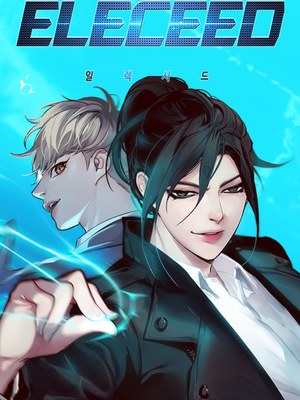
If you finished Eleceed and miss mentor-student warmth but want street-level stakes, Hummingbird’s crew banter delivers a similar emotional engine with less awakening jargon. Lookism veterans should start here when they want fight clarity without committing to 500 chapters of body-swap politics.
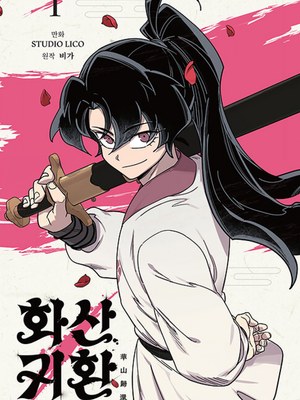
Browse our school-life tag hub for campus-adjacent picks, then read the where-to-read guide before marathonning the Crew War buildup. Pair with Return of the Mount Hua Sect only if you want historical martial arts after modern bike duels — tone shift is deliberate.
FAQ
Is Wind Breaker finished?
No. The Naver Webtoon serialization is ongoing with regular weekly updates through 2026.
Is Wind Breaker worth reading in 2026?
Yes — the Hummingbird crew arc remains the emotional core, and current chapters still balance racing set pieces with character friction.
How many chapters does Wind Breaker have?
Roughly 420 English episodes on WEBTOON as of mid-2026; verify the latest count on our where-to-read page.