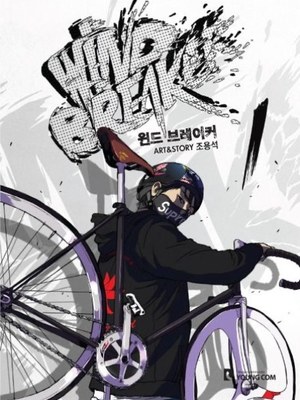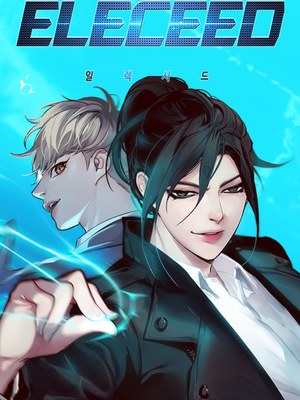
Who is this for: Wind Breaker and Lookism readers who want delinquent violence with tactical realism, and revenge fans who prefer precise comeuppance over slow-burn crew wars.
The Premise (No Spoilers)
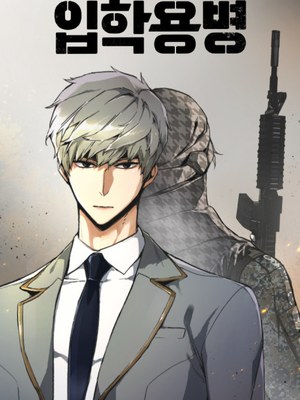
Yu Ijin spent his childhood in war zones as a mercenary after a plane crash separated him from his family. When he finally returns to Korea and enrolls in high school under a guardian’s arrangement, he looks like an ordinary teenager — until bullies, corrupt adults, or organized criminals trigger reflexes trained in live-fire extraction drills. Ijin wants normalcy: attend class, make friends, locate his missing relatives. The world keeps forcing him to solve problems with skills no student should possess.
Classmates like Shin Yuna and Kang Haeun initially misread his distance as arrogance. The series earns their trust slowly through small protective gestures — carrying desks, defusing harassment without public spectacle — before larger set pieces reveal how he learned those reflexes. Family members reappear in fragments across arcs, and each reunion carries guilt because Ijin survived missions they did not witness.
What Makes It Work
YC and Rakhyun draw close-quarters combat with procedural clarity. When Ijin disarms a knife holder in a stairwell, panels track grip angles and weight shifts instead of hiding anatomy behind speed lines. That realism anchors the revenge fantasy — bullies do not lose because the author says so; they lose because Ijin identifies leverage points in milliseconds.
School-life tension stays dual-track. Hallway politics matter: reputation, sponsorship networks, and teacher complicity shape who can harass whom without consequences. Ijin’s revenge is often quiet — ruined blackmail photos, confiscated weapons, adults exposed to authorities — which differentiates the series from crew-war spectacle in Lookism or bike duels in Wind Breaker.
The family thread prevents pure power fantasy drift. Ijin’s motivation is reunion and accountability, not dominance. When the story introduces PMC conspiracies tied to his crash, those plots connect to emotional wounds rather than random secret societies.
Where It Stumbles
Early villains can feel interchangeable — rich bullies with identical smirks who exist to showcase Ijin’s next technique. The comeuppances satisfy, but moral complexity arrives late compared to the precision of the fights themselves.
Scope expansion also shifts genre weight. Mid-series arcs pivot toward national security threats and mercenary guild politics, leaving the high school hook that sold the premise. Readers who wanted contained campus revenge may prefer stopping after the initial enrollment arc, then jumping to our revenge tag hub for similar tone without conspiracy sprawl.
Who Should Read This
Wind Breaker fans seeking deadlier stakes without fantasy systems will appreciate Ijin’s grounded violence. Lookism readers fatigued by hundreds of chapters can treat Mercenary Enrollment as a tighter school-action entry with faster tactical payoffs.
Use the where-to-read guide for WEBTOON’s free rotation, then compare Wind Breaker if you want crew loyalty over solo extraction drills. Both live in our school-life tag hub with distinct fight languages.
FAQ
Is Mercenary Enrollment finished?
No. The Naver Webtoon serialization continues with regular weekly updates in 2026.
Is Mercenary Enrollment worth reading in 2026?
Yes — the early school infiltration arc remains tightly paced, though later conspiracy threads shift tone noticeably.
How many chapters does Mercenary Enrollment have?
Roughly 220 English episodes on WEBTOON as of mid-2026; verify on our where-to-read page.